Summary
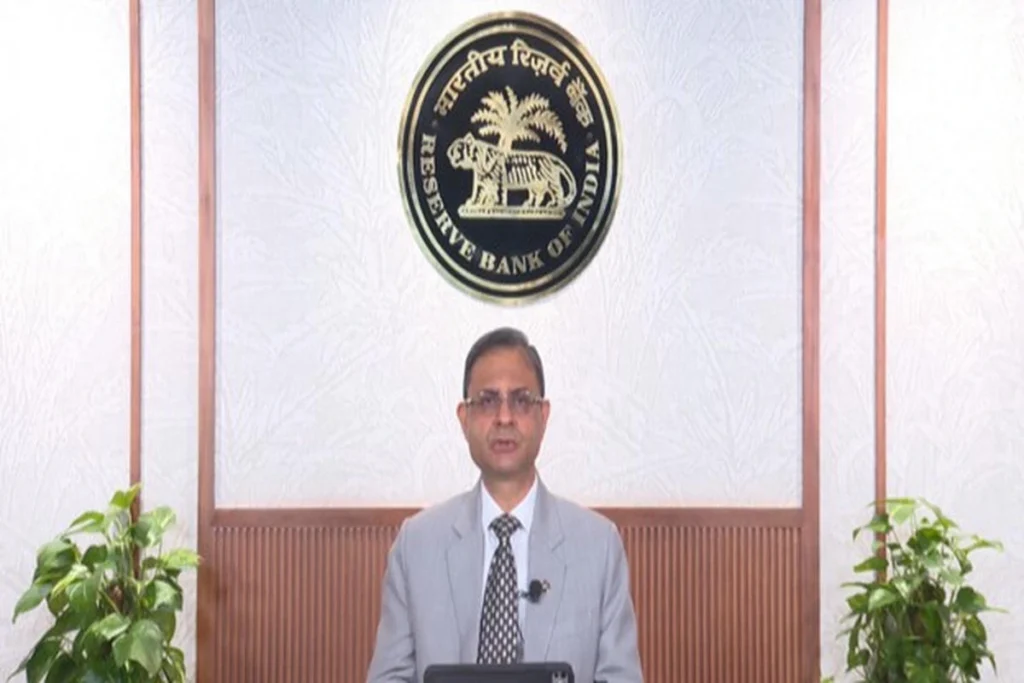
On 5 December 2025 the RBI’s Monetary Policy Committee cut the policy repo rate by 25 basis points, bringing it down to 5.25 percent for the first time in months.
This move comes as retail inflation stays near historic lows and India’s recent GDP growth remains strong a “rare Goldilocks” economic phase according to the central bank.
For borrowers, this means potential relief: home, auto and personal loans tied to floating rates may see lower EMIs. For savers on fixed deposits, returns may dip. Markets are upbeat, as the rate cut may boost liquidity and investment across sectors.
🔑 What Changed : RBI’s Key Decision
- The repo rate now stands at 5.25 percent a total reduction of 125 basis points during 2025, following earlier cuts.
- The RBI maintained a neutral stance, indicating flexibility for future changes depending on inflation and growth data.
- The central bank also revised the GDP growth forecast for fiscal year 2026 upward to 7.3 percent, down from an earlier 6.8 percent, reflecting confidence in economic resilience.
🏠 What It Means for You From Loans to Deposits
Lower EMIs for Borrowers
If you hold a home, car, or personal loan with variable interest rate this is good news. Experts say banks are likely to pass on the rate cut to customers, meaning reduced EMIs or shorter loan tenures.
For example, a ₹50 lakh home loan may save you over ₹1,000 per month if interest rates fall accordingly.
Also Read : 30 lakh Home Loan EMI
Realty and automobile sectors may see a fresh boost as cheaper credit makes buying homes and vehicles more attractive.
Fixed Deposit Returns May Drop
While borrowers rejoice, savers relying on fixed deposits could see interest rates slip. Analysts expect banks to reduce deposit rates soon following the repo cut.
Good for Business and Investment
Lower borrowing costs could encourage businesses to invest more fueling demand, jobs, and consumer spending. Credit-driven sectors such as real estate, automobiles, and consumer goods may benefit.
On the investment side, bond funds and debt-oriented mutual funds may get a boost due to likely interest rate easing.
🎯 Why RBI Chose to Cut Rate Now
- Inflation in India has cooled significantly in recent months, giving RBI room to ease monetary policy.
- Economic growth remains strong recent GDP numbers show healthy domestic demand despite global headwinds.
- The timing helps stimulate liquidity ahead of the festive and home-buying season.
RBI describes the current situation as a “Goldilocks economy” balanced growth and low inflation, offering a rare window for rate support without sacrificing price stability.
Also Read : Who Has Hit the Most Sixes in ODI Cricket History in 2025
⚠️ What to Watch Out For
- Rate cuts benefit floating-rate borrowers quickly, but for fixed-rate loans benefit may be delayed or nonexistent.
- Savings returns (Fixed Deposits, small-savings schemes) may fall affecting senior citizens and conservative investors.
- Inflation or global economic shocks could limit further cuts or even prompt future hikes making it important to stay alert.
Also Read : How to Build a Corpus of 1 Crore
💡 Editor’s Insight
This repo rate cut could bring real relief to millions of households with ongoing loans possibly reinvigorating sectors like real estate, auto and durable goods. For first-time homebuyers or those refinancing, the timing might be opportune to lock in lower rates.
However savers should avoid complacency. With interest on fixed deposits likely to dip, it might be wise to explore balanced or hybrid investment options rather than rely solely on traditional savings.
For the broader economy this cut reinforces a growth-oriented outlook at a time when global headwinds threaten stability. If liquidity flows into consumption and investment, we may see a strong growth rebound provided inflation remains under control.
Highlights of Monetary Policy Statement today by RBI Governor@GovSMalhotra #RBI #RBIMPC #monetarypolicy2025 #RBIGovernor pic.twitter.com/zula6HJtZ4
— ReserveBankOfIndia (@RBI) December 5, 2025
Source & Attribution
This article is based on publicly available data and reports from major media and financial news publishers, including The Times of India, Business Standard, and official statements from the Reserve Bank of India (RBI). Information used was current as of December 2025.

I run Evening Headlines where I share quick and complete news updates so readers can stay informed without wasting time. I work as a cost accountant but I also follow cricket, the economy, investments, movies, and social causes. I enjoy turning big stories into short, clear summaries that anyone can understand. I also create content on my other sites like Wealth Vartalap, Christmas Time Clock, Cashplanter, and Abhishek Listing. My goal is simple make news easy to follow and worth reading every day.